Eliminating Educational Poverty

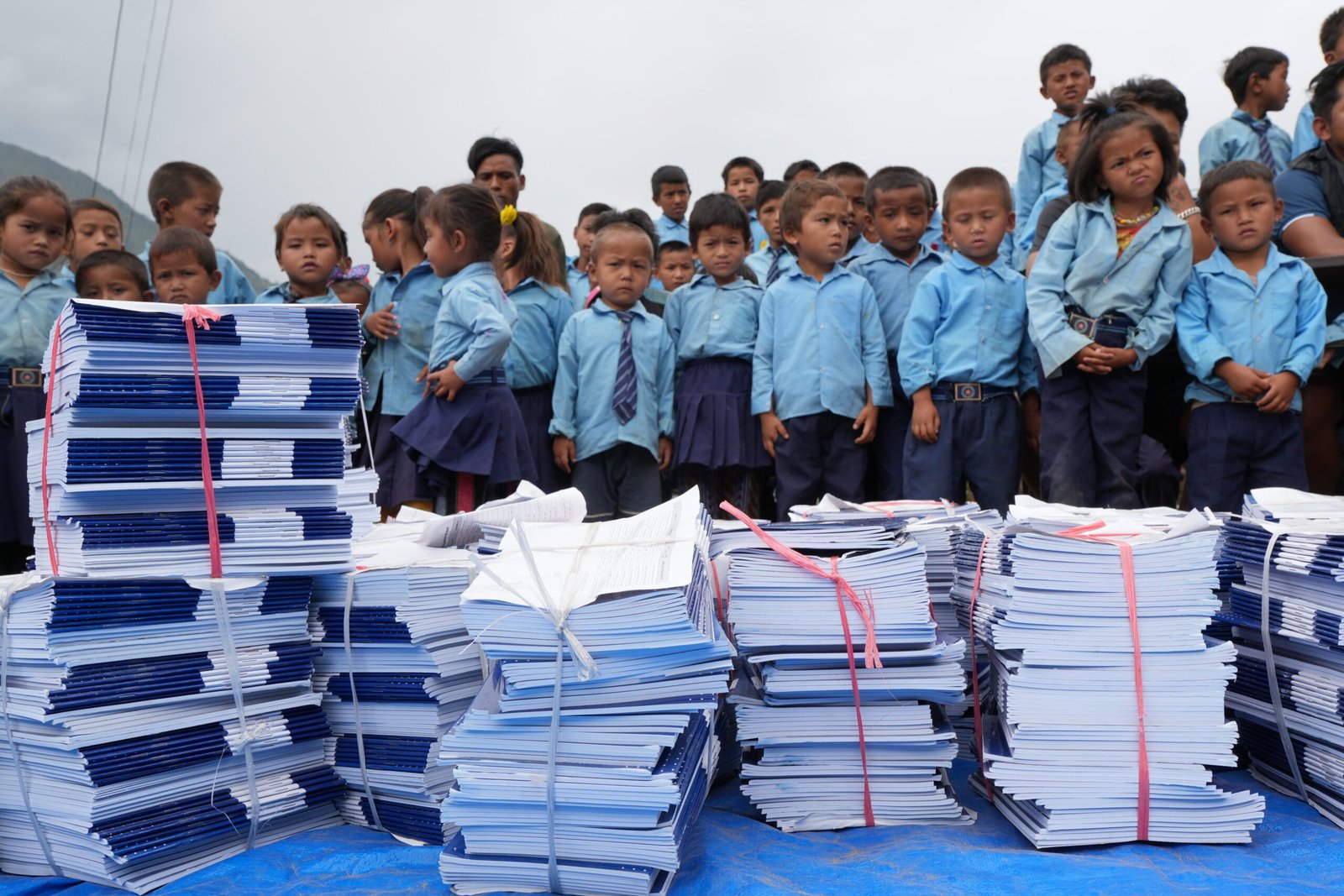
Over 70% of Nepal’s public-school students face severe resource gaps and limited life-skills exposure.

We’re eliminating educational poverty through behavioural science, holistic learning, and equitable access to essential resources.

About us

Social Lab Nepal is a non-profit that fights educational poverty through social innovation and experiential learning. While its core focus is on quality education, it also supports social entrepreneurship through training and mentorship.
 
Educational poverty in Nepal stems from limited access, poor resources, and inequality. Social Lab Nepal addresses this through innovative, hands-on education and support for children. Our approach goes beyond textbooks — we focus on real-world learning, skills development, and mentoring to prepare children to thrive.
Social Lab Logo PNG

Vision


A nation where no child has to go through educational poverty.

Mission


To empower every child with the education, skills, and opportunities they need to break free from generational poverty.

Our work in numbers

Since 2023

2500+ Children Reached


Elevating learning outcomes through holistic school support interventions

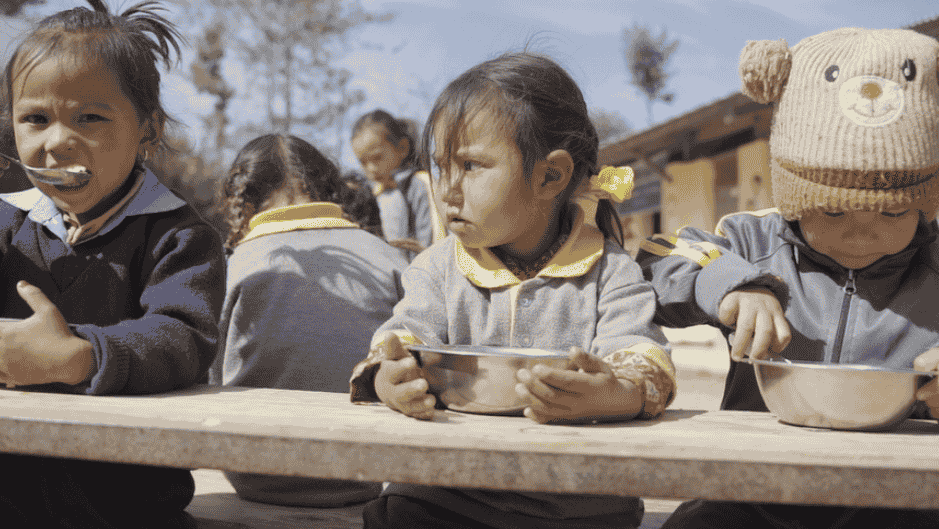
50,000+ Nutritious Meals Served


Strengthening student wellbeing, boosting attendance, and improving learning readiness

95% Positive Behaviour Shift


Students demonstrate improved motivation, discipline, and classroom engagement through FSM behaviour interventions

20+ Public Schools Strengthened


Improved learning environments, resource access, and community-driven school initiatives

Impact Across 5 Provinces


School Support interventions now active across 5 of Nepal’s 7 provinces, expanding equitable access and systemic impact

8+ Local Government Integration


Integration and adoption of School Support Interventions in local government educational plans and policies

150+ Teachers Capacitated


Equipped with behavioural science tools and effective pedagogical strategies to transform classroom culture

120+ Families Engaged


Parents strengthened through holistic family literacy and empowerment sessions, fostering supportive home learning environments

Project Portfolio

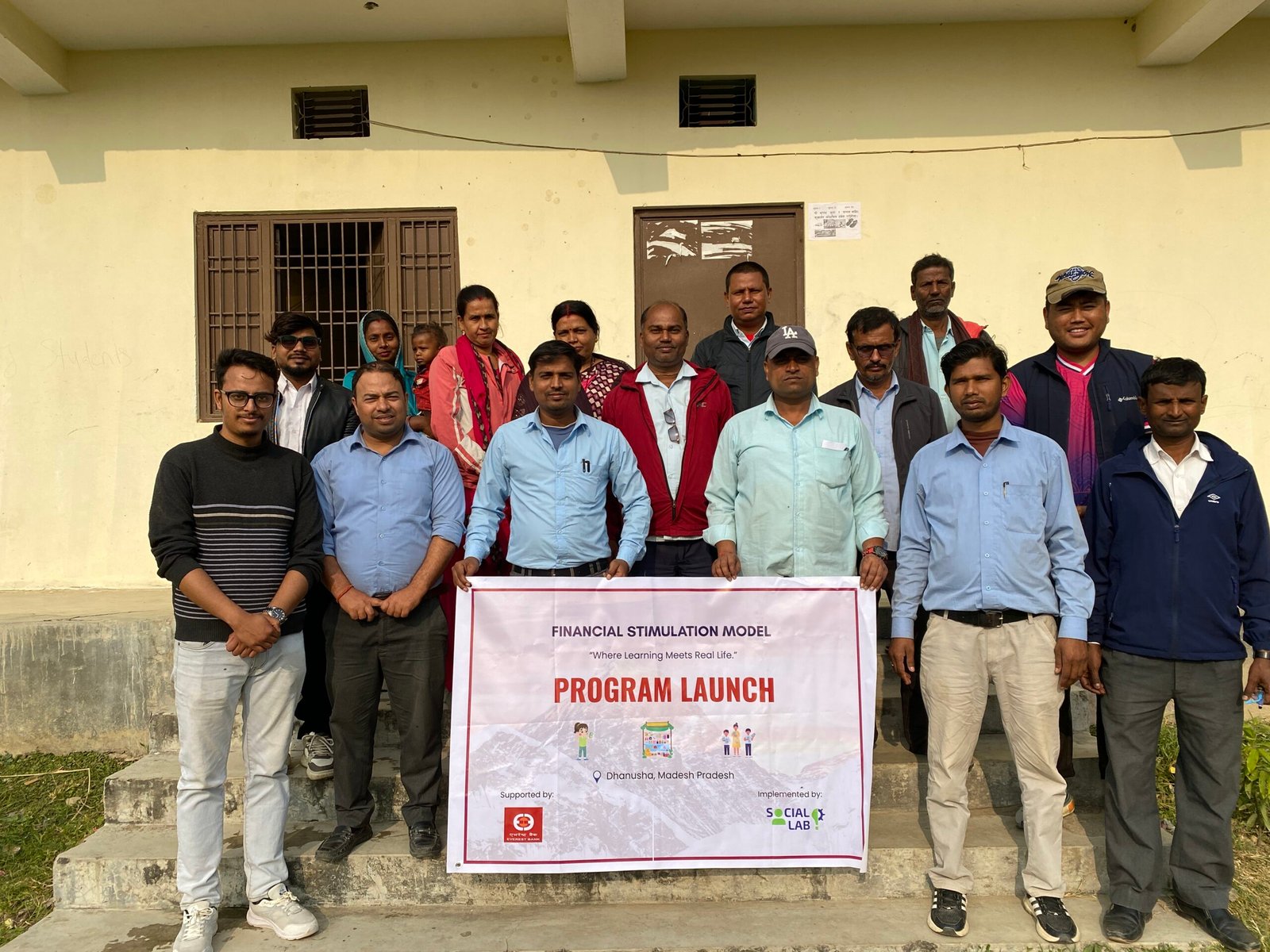
Social Lab has partnered with Everest Bank Limited to deliver 6-months long FSM project in Bagmati and Madhesh Provinces under the bank’s CSR initiative, supporting over 600 students across the region.
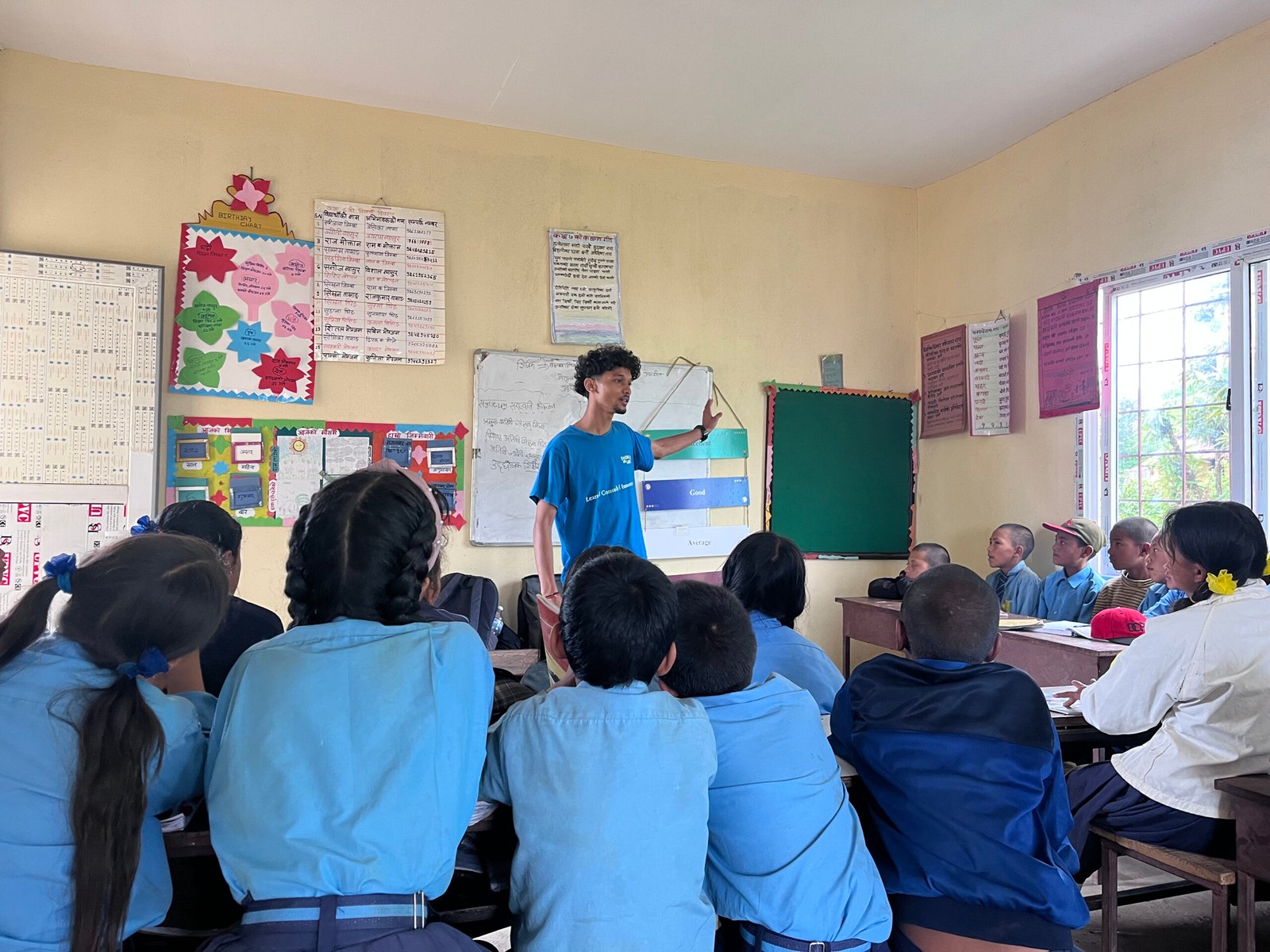
Social Lab has partnered with Books for Change Switzerland to deliver a 9-month FSM project in Bagmati Province, fostering life skills and creativity among rural children at Shree Satkanya Basic School.
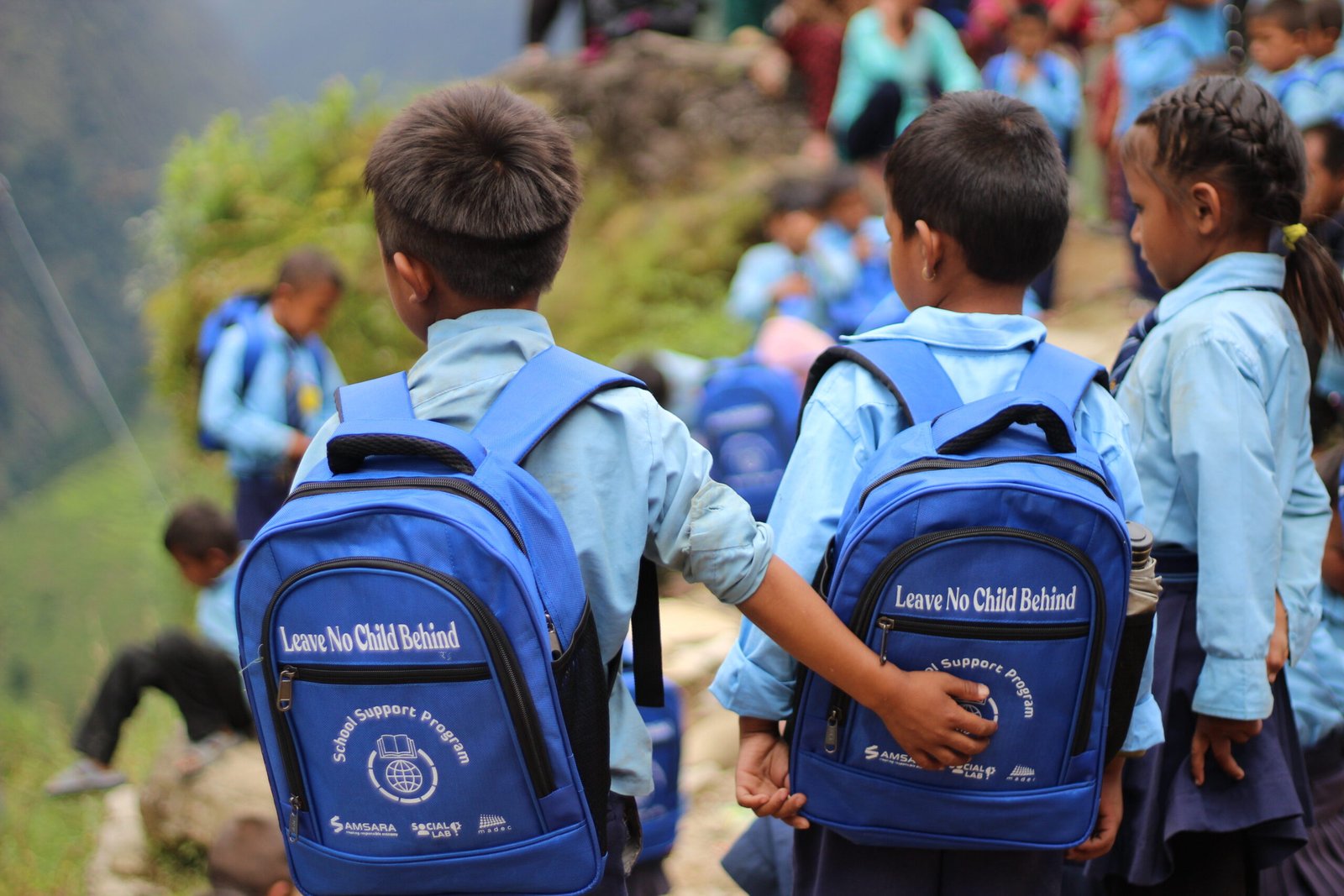
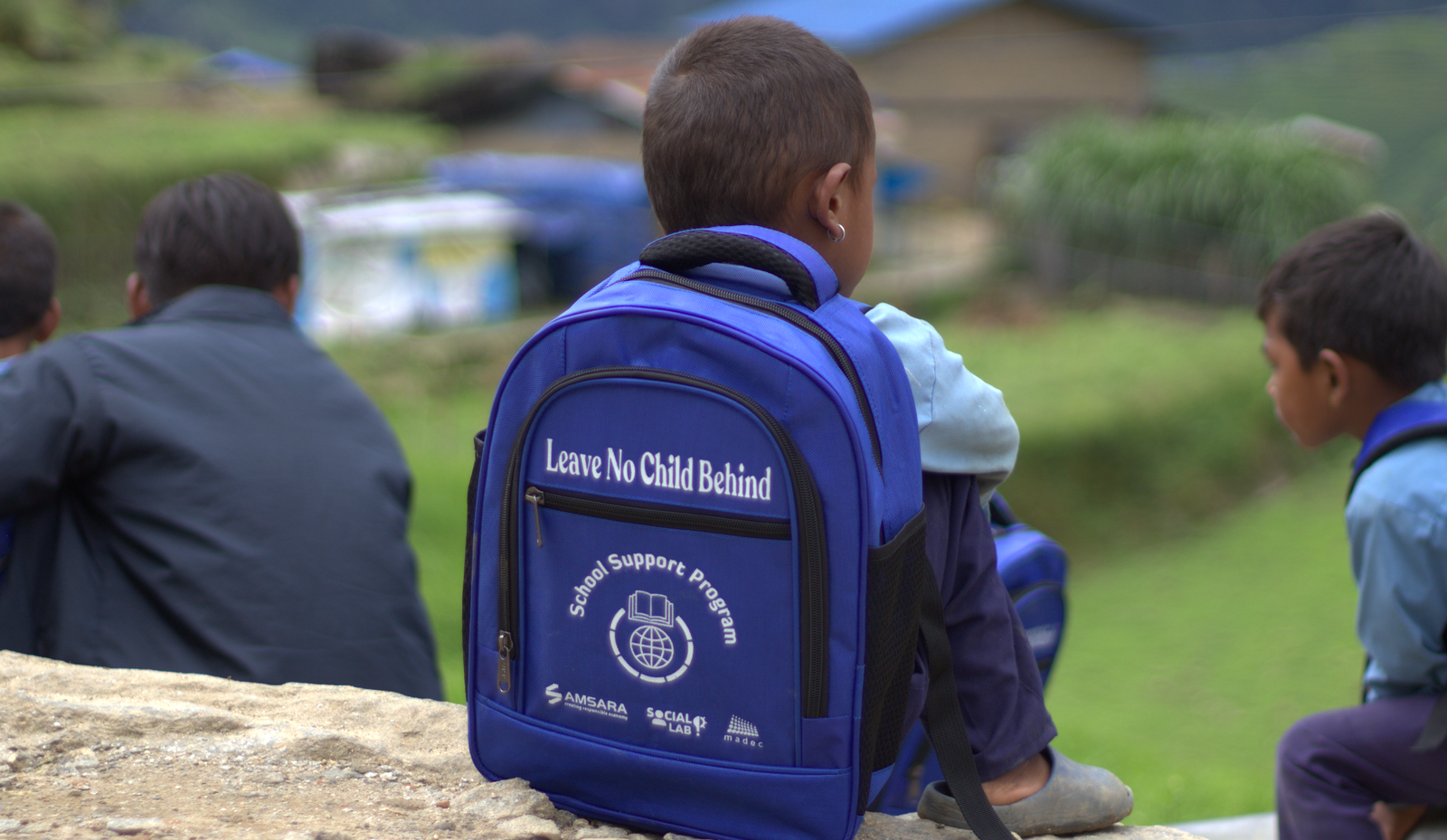
Social Lab, in collaboration with MADEC Australia and Samsara, implemented a two-year School Support Program across three provinces of Nepal to promote holistic, inclusive, and lifelong learning for disadvantaged children.
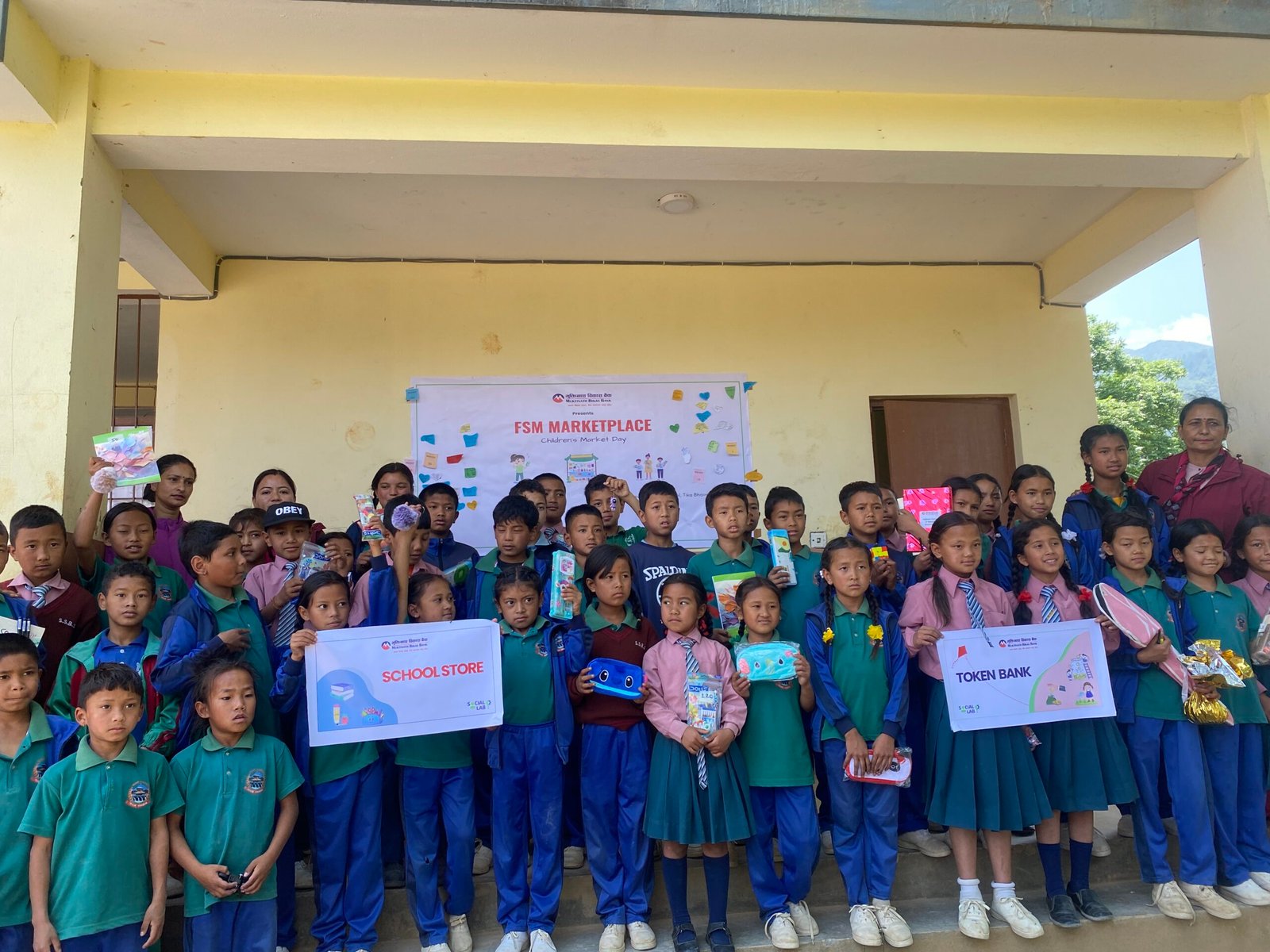
Social Lab partnered with Muktinath Bikash Bank to support the ongoing FSM intervention at Shree Saraswati Basic School in Bagmati Province.

Social Lab partnered with SOS Children’s Village to support the youth development and leadership under SOS Children’s Village component projects.

Social Lab partnered with Shine Resunga Development Bank to support the ongoing FSM intervention at Shree Balsudhar Basic School in Bagmati Province.

Model

Learn | Consult | Innovate
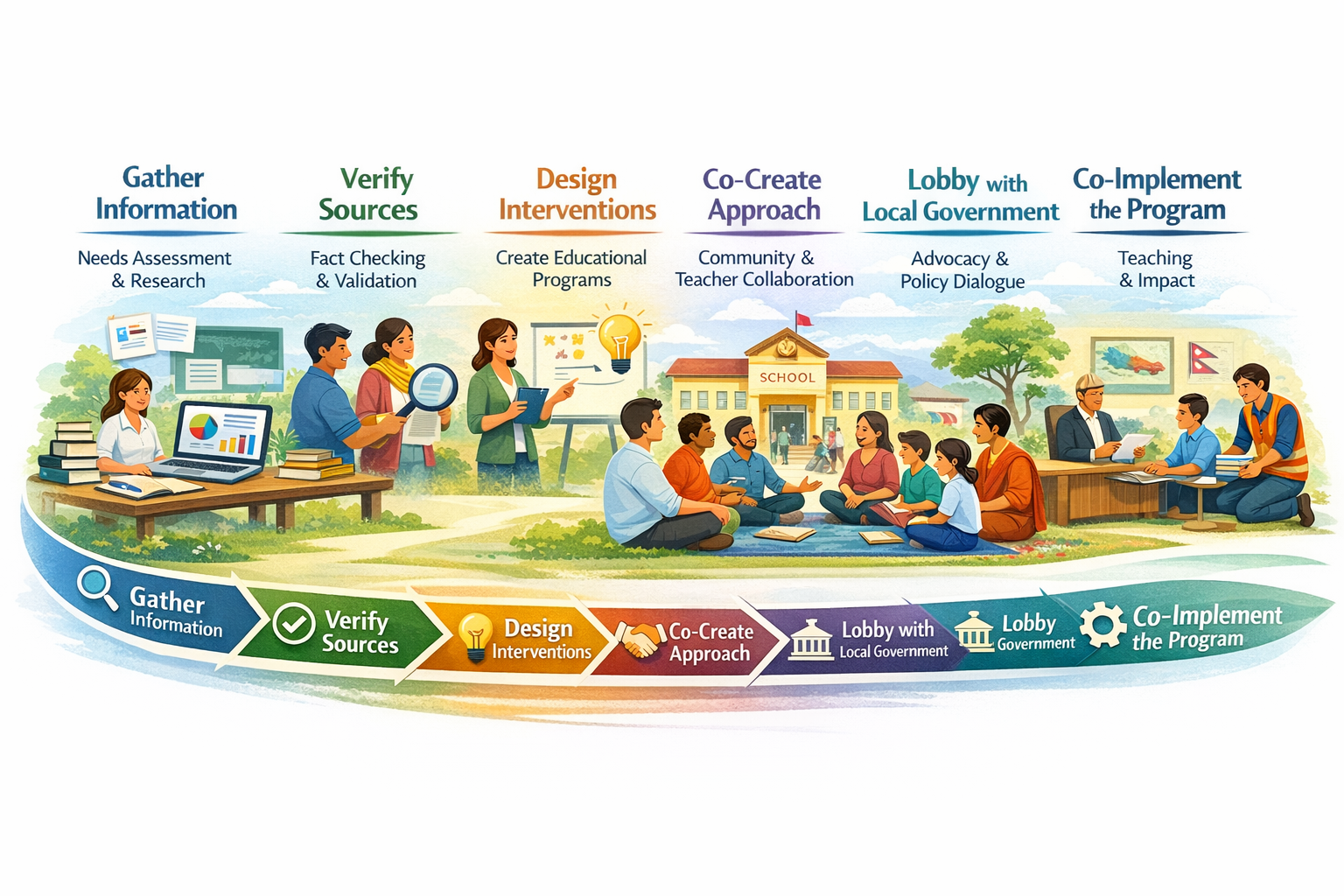
Gather information → Verify sources → Design interventions → Co-create approach → Lobby with local government → Co-implement the program

Why was Social Lab started?

Social Lab Nepal was founded to fight educational poverty—a persistent issue caused by lack of access, poor resources, and inequality in Nepal’s education system. What began as a grassroots initiative is now a growing movement using social innovation and experiential learning to empower children.

Through its unique LCI Model (Learn | Consult | Innovate), the organization delivers hands-on educational experience through stakeholder consultation, helping children break free from generational poverty. At its core, Social Lab Nepal believes in creating a future where no child is left behind in education.

Our Key Components
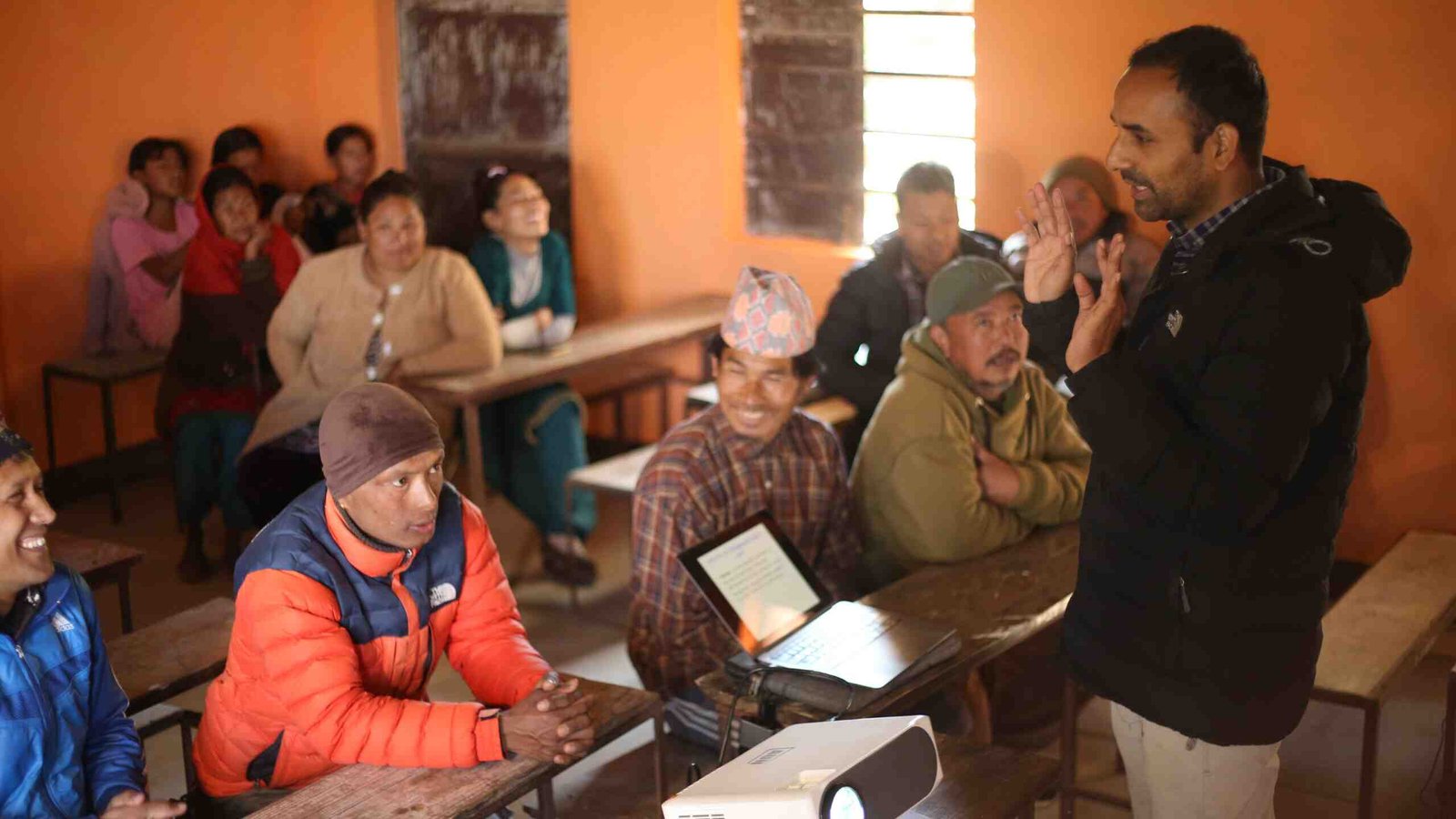
English Language Tutorial (ELT)

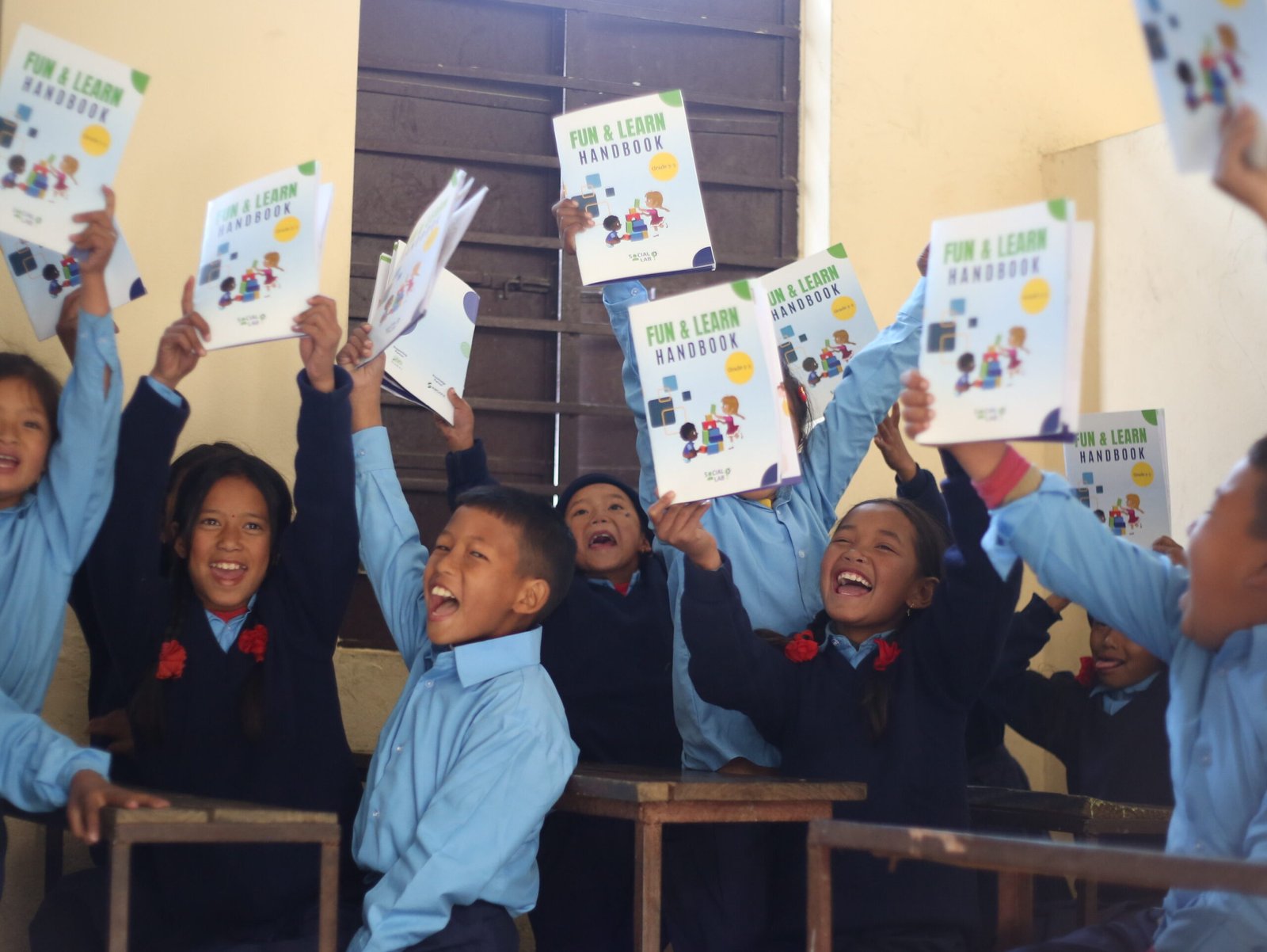
Social Lab has launched ELT sessions for the public primary school students in Nepal. The purpose of the ELT session is to improve English Language Efficiency of public school students in Nepal through methodology like: handbook, recreational approaches, and other strategic interventions.

Recreational Therapy (RT)

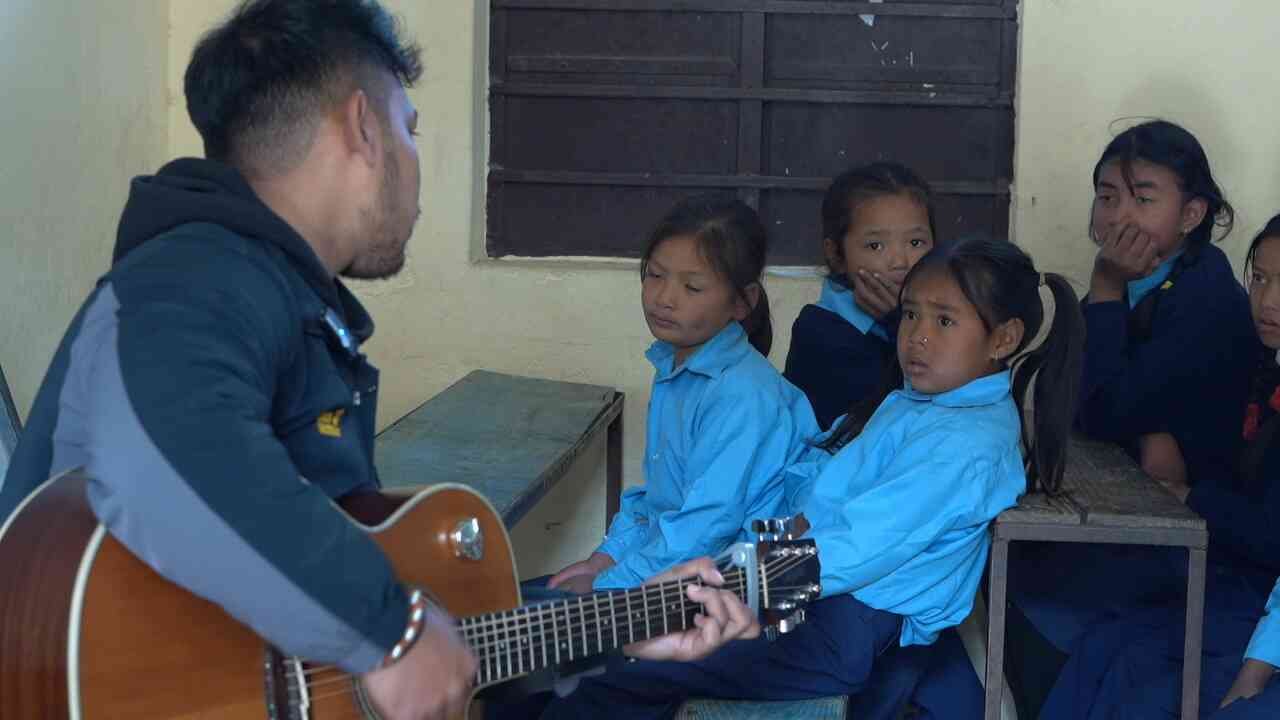
Recreational Therapy is an interactive and engaging tool designed for primary-level students in public schools to support the cognitive and emotional development of primary school children through musical and recreational intervention.

Financial Stimulation Model (FSM)

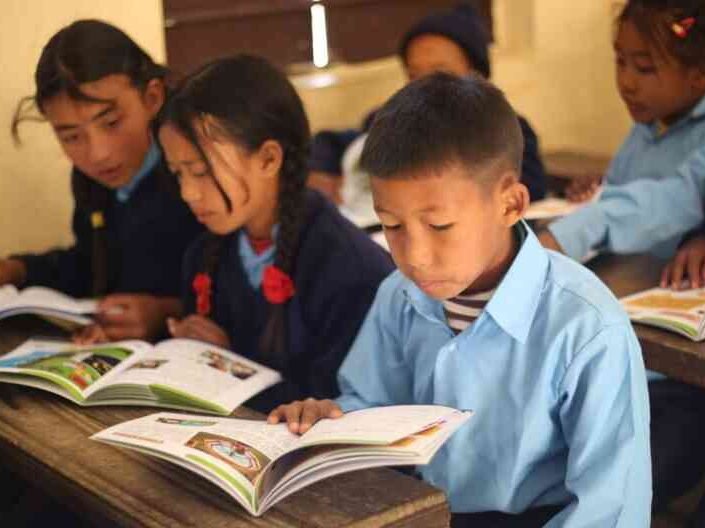
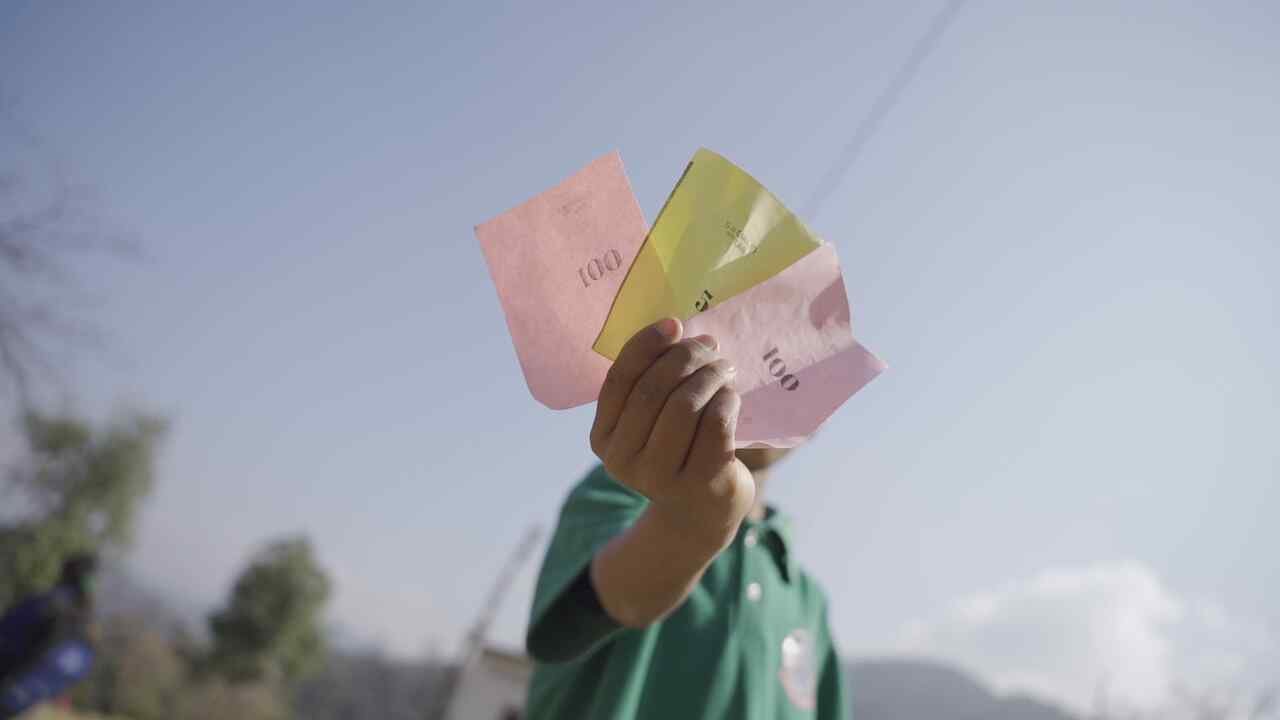
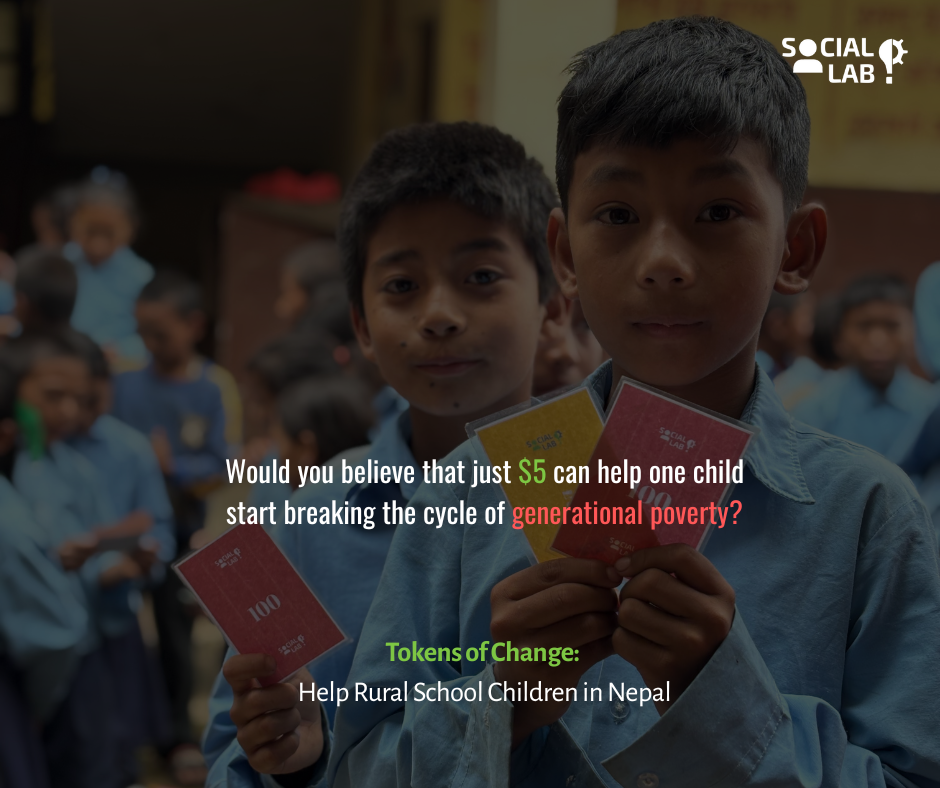
To instill financial awareness and cultivate healthy financial habits from an early age, we have developed a Financial Stimulation Model for Children. This model aims to raise awareness among children about the value of money, promote good behavior through a reward mechanism, and encourage reading habits.

Mid-day Meal Program

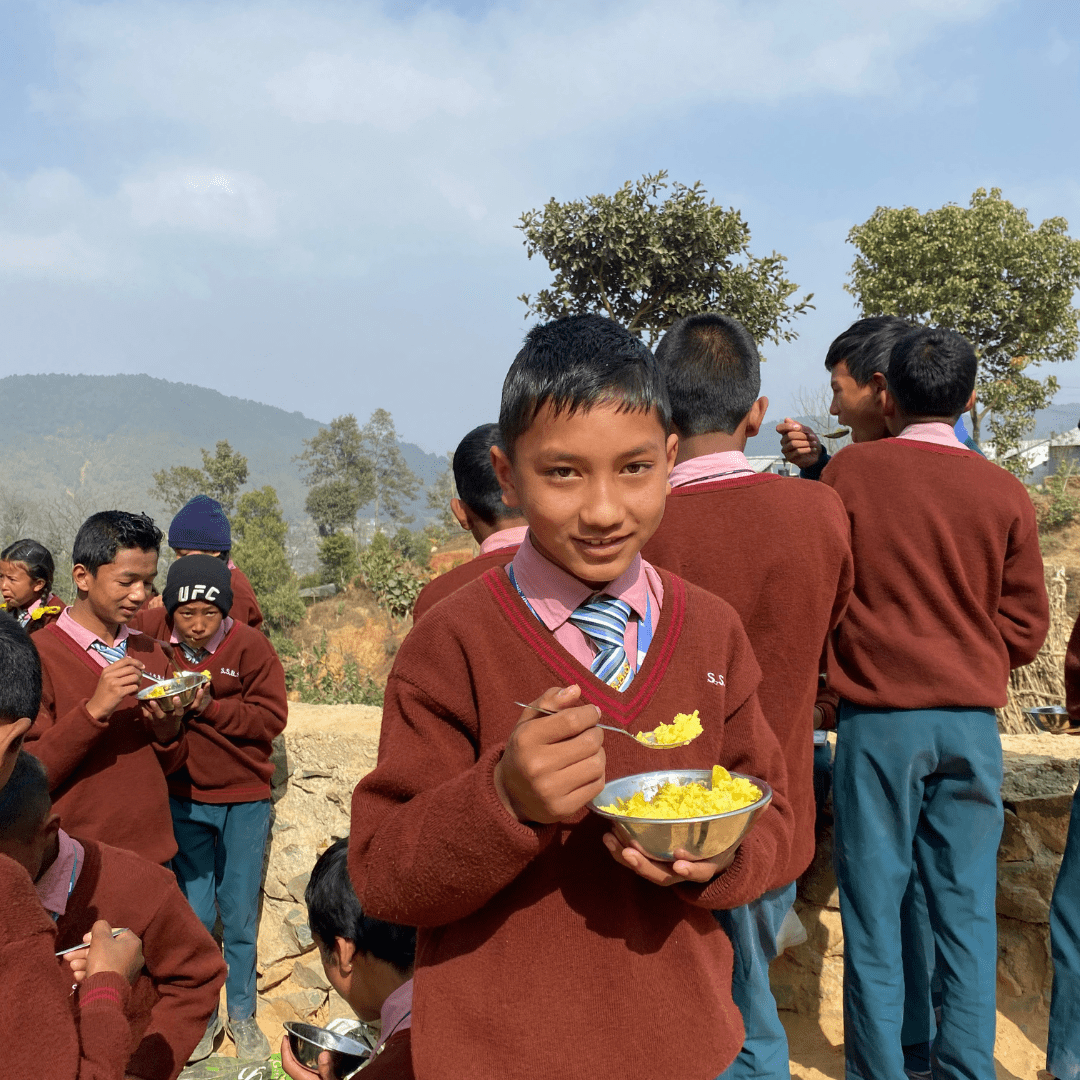
Our Mid-day Meal Program ensures that children receive nutritious meals during school hours, promoting better attendance, concentration, and overall well-being.

A few things we’re great at

Research & Experiment
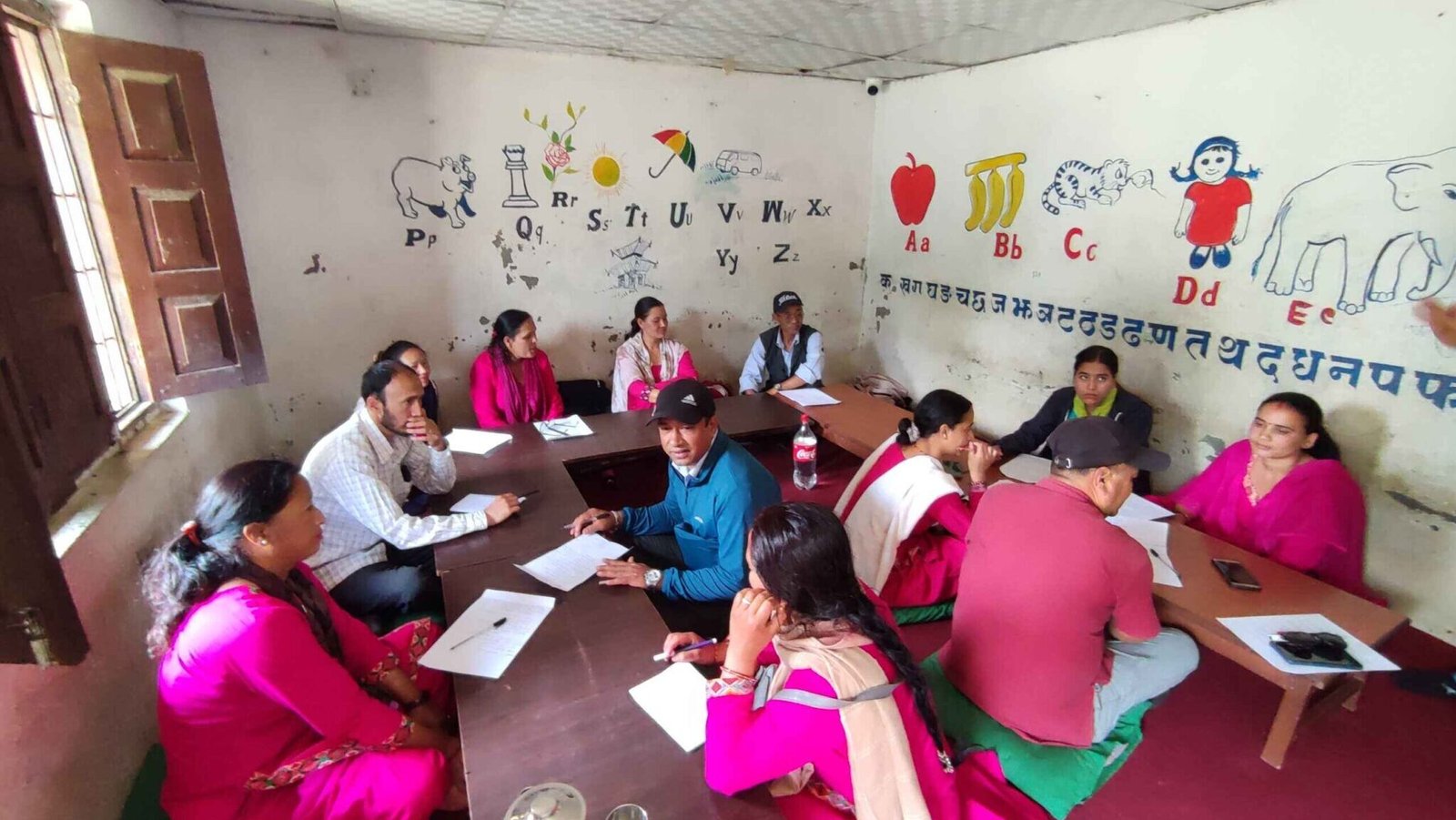
We conduct research-driven projects to create innovative solutions for social and economic challenges.

Training & Consulting

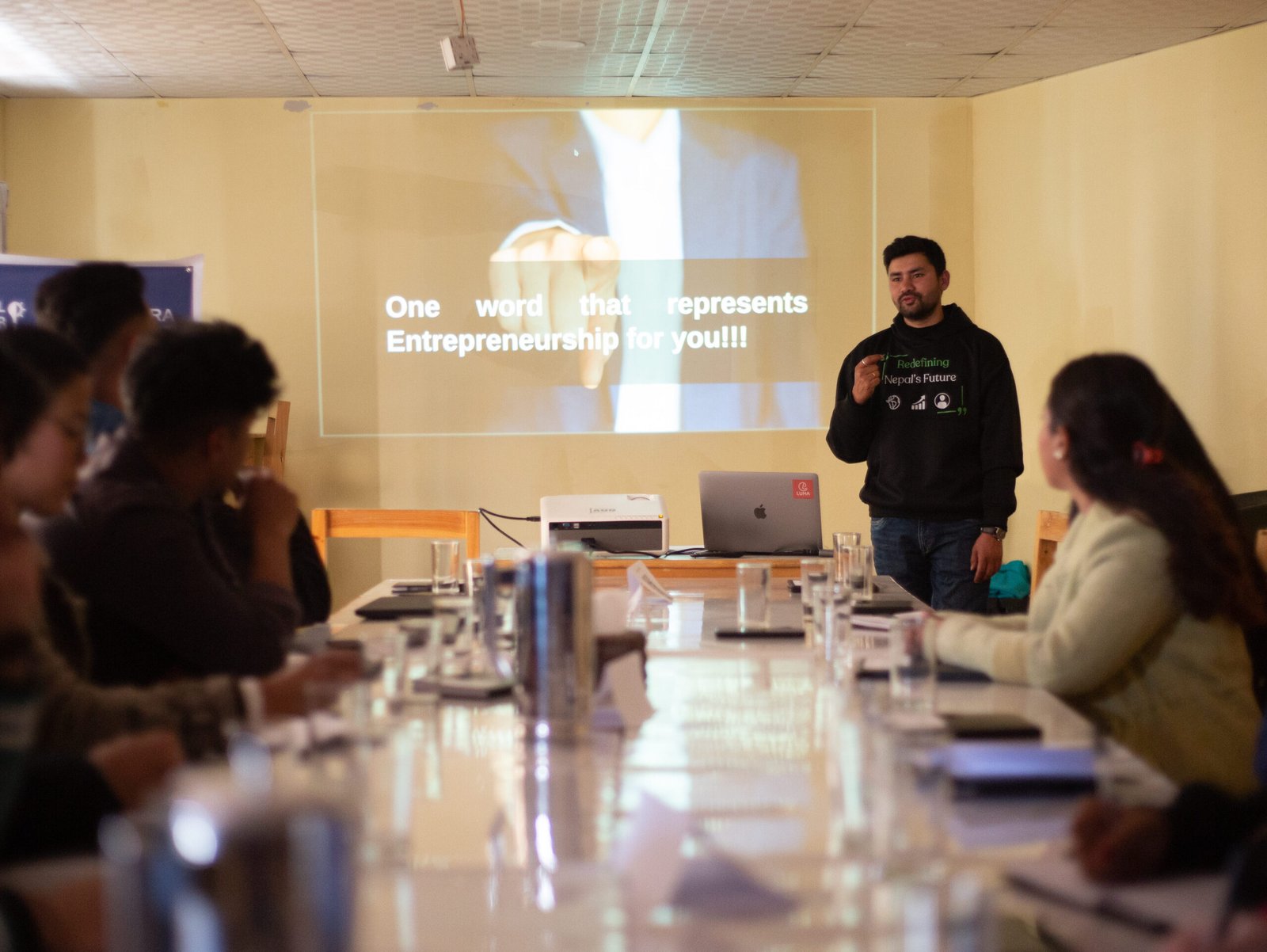
We empower individuals and organizations through workshops, training, and consultancy services.

Mentorship

We guide aspiring entrepreneurs and changemakers through personalized mentorship programs.

Project Management

Social Lab Nepal offers project management services focused on creating sustainable social impact through innovation and collaboration. We specialize in designing, implementing, and evaluating projects in education and social entrepreneurship, combining research, experiential learning, and community engagement. Our approach emphasizes strategic planning, stakeholder collaboration, capacity building, and transparent reporting. By working closely with social entrepreneurs, civil society, academia, and policymakers, we ensure each project is impactful, inclusive, and aligned with real community needs.

Our Verticals

School Support Program


Social Entrepreneurship Program


Our Partners

Bringing changemakers together to drive innovation and impact
Slide
Slide
Slide
Slide
PlayPause
previous arrow
next arrow

Testimonials

Hear what our students have to say.

Slide
Sajina Sunuwar

Class 2
Shree Bal Sudhar Basic School

I truly enjoy FSM very much; it has become one of my favorite times of the month. Today, I bought a painting color that I’m excited about. It’s such a beautiful color, and I can already imagine all the things I can create with it. I plan to paint trees, houses, and maybe even a serene landscape that captures the beauty of nature. Painting has always been a relaxing and creative outlet for me, and having this new color feels like I can make so much more art.

What makes it even more special is that I can share this painting color with my friends. I know they will love it as much as I do, and it will be so much fun to create art together. Sharing things with the people I care about brings me so much joy.

Aarosh Nagarkoti

Class 5
Shree Saraswoti Basic School

The FSM Marketplace organized by Social Lab has been fruitful for me in recent days. I can now buy essential stationeries and necessities on the marketplace with my earned tokens, by myself.

Till now I have bought copies, pencils, colors, watches, and even toys for my brother. I have also learned to work hard to earn the tokens, save the money for future use, and purchase only the necessities from the FSM. In the upcoming days, I aim to earn the highest token and buy the necessities

Slide
Simson Bashyal

Class 3
Shree Bal Sudhar Basic School
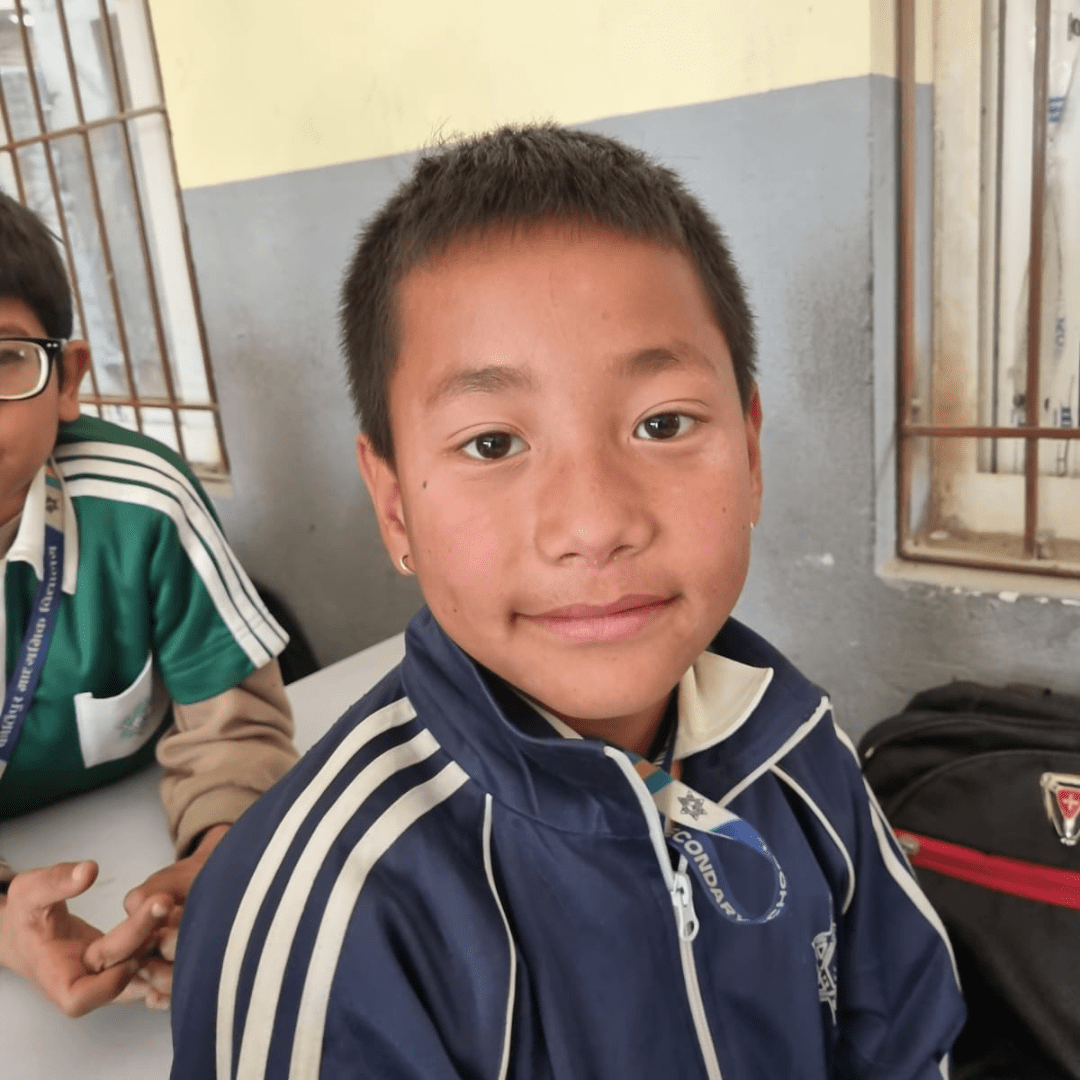
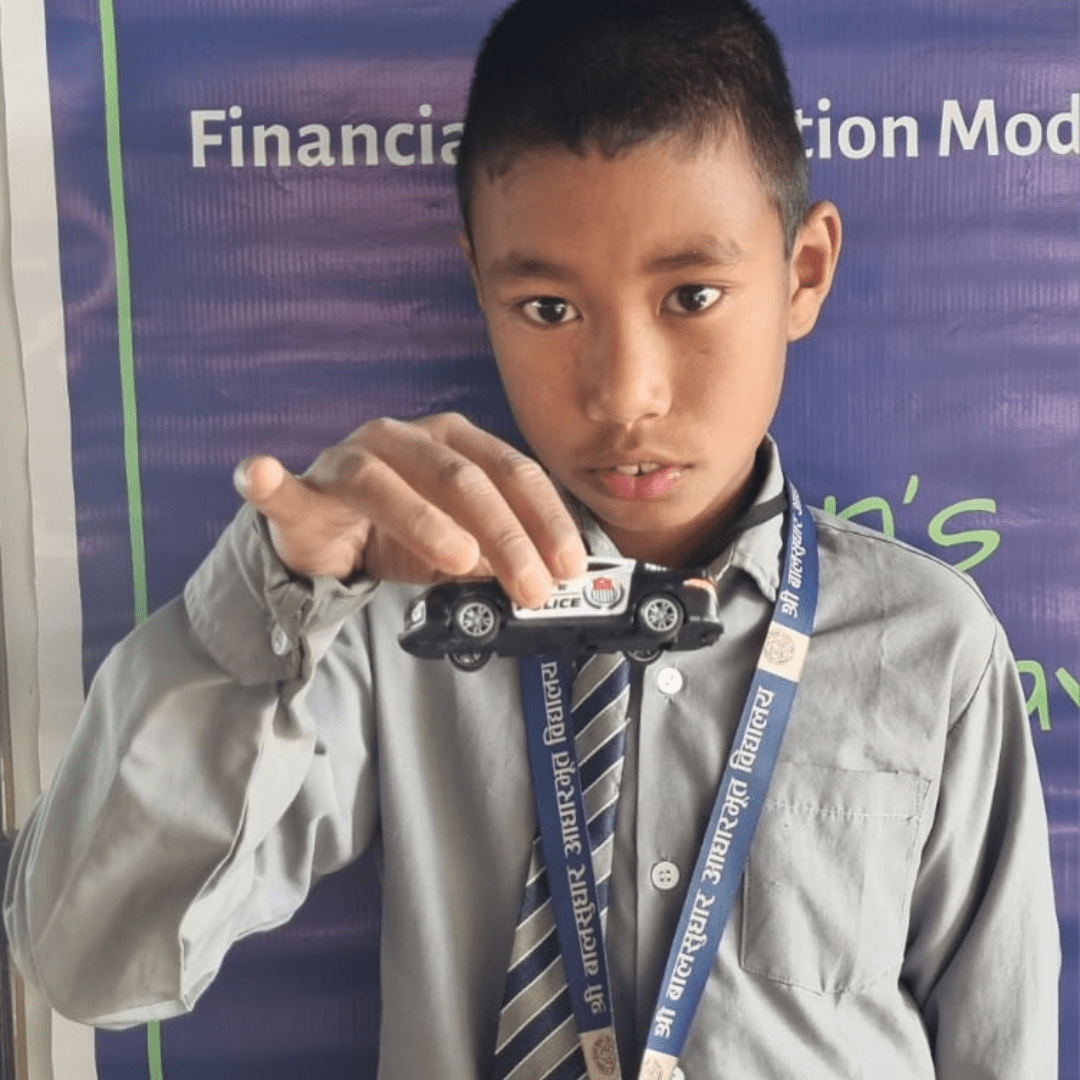
I like FSM because I can buy copies, pencils, toy cars, and many more with my points. When FSM takes place I want to buy everything, the colored pencil, the sign pen, key rings, handkerchief, etc, but unfortunately, my points are not enough and I always have to return the items.

Last time I couldn’t even buy anything, But this time I am so happy I could buy myself a car, even though it’s a small car I am very happy and grateful. I hope I can buy more things in the future with my points. I will be a good boy and complete all the assignments so that I can gain more points.

Manish Limbu

Class 4
Shree Kritipur Secondary School
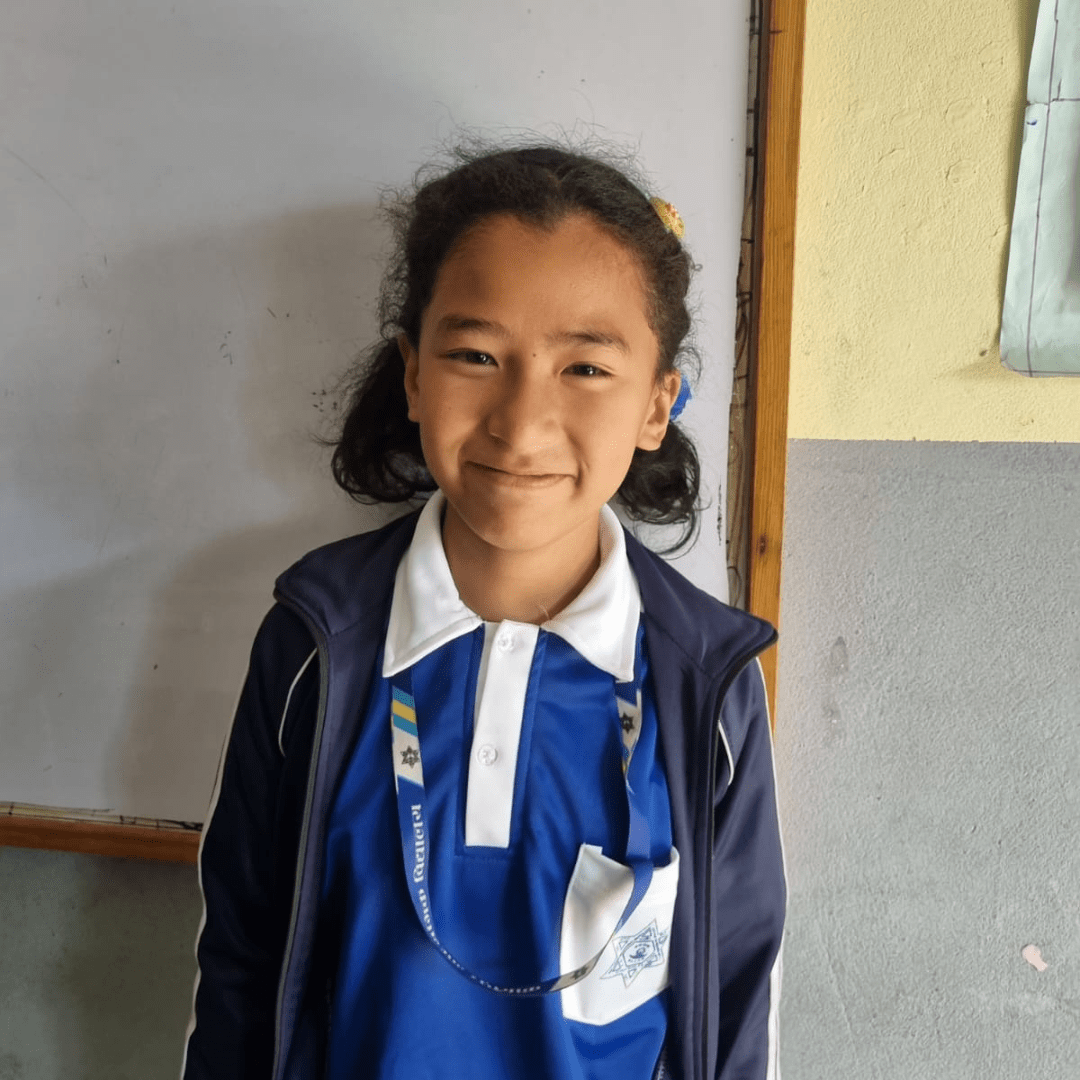
Today I bought a sign pen, a copy, and a pen. I liked today’s goodies very much. I saved y points for the last FSM marketplace for next month. For the next FSM marketplace, I will buy fancy copies, fancy pens, and water bottles if there will be any. I will work very hard to gain good points so that I will be able to buy everything.

I even plan to share my goodies with my cousin. His school doesn’t have an FSM marketplace. That’s why I want to buy it for him too. I want FSM every month so that my hard work will be seen. I even deposited some points for next time.

Slide
Santoshi Tamang

Class 5
Shree Kritipur Secondar School
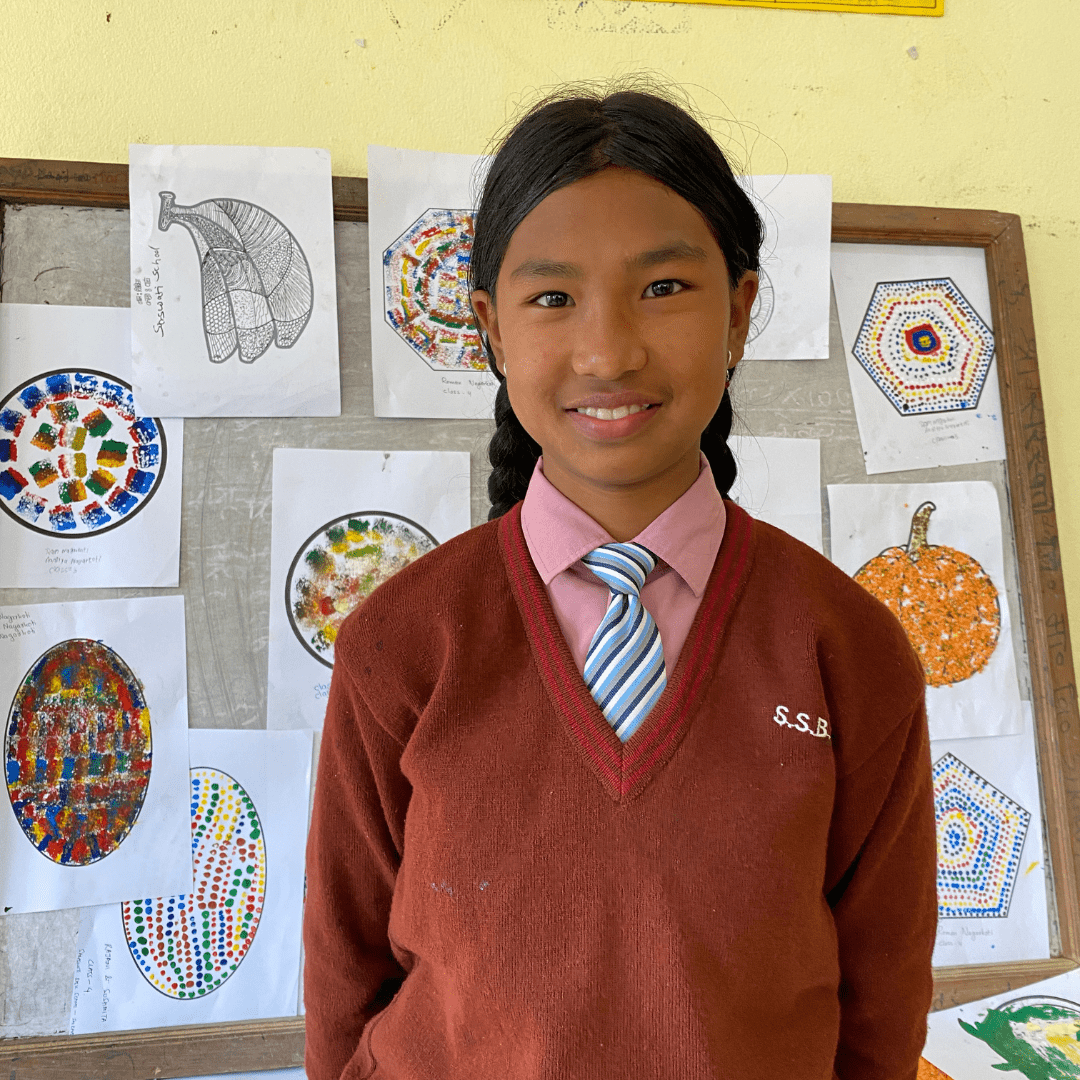
I enjoyed FSM today like every month. I have been waiting since yesterday to purchase goodies. I purchased a pink fancy diary today. I liked it. It was worth 300 points. Luckily I had enough points to purchase it. I even bought a gel pen for my homework and classwork. My teachers and parents are very proud of me because I am a good student.

For the next FSM, I am hoping for watches and bottles. I will work extra hard to earn points and purchase new bottles and watches. But I also understand the importance of saving. I saved some tokens for the future too.

Salina Nagarkoti

Class 5
Shree Saraswoti Basic School

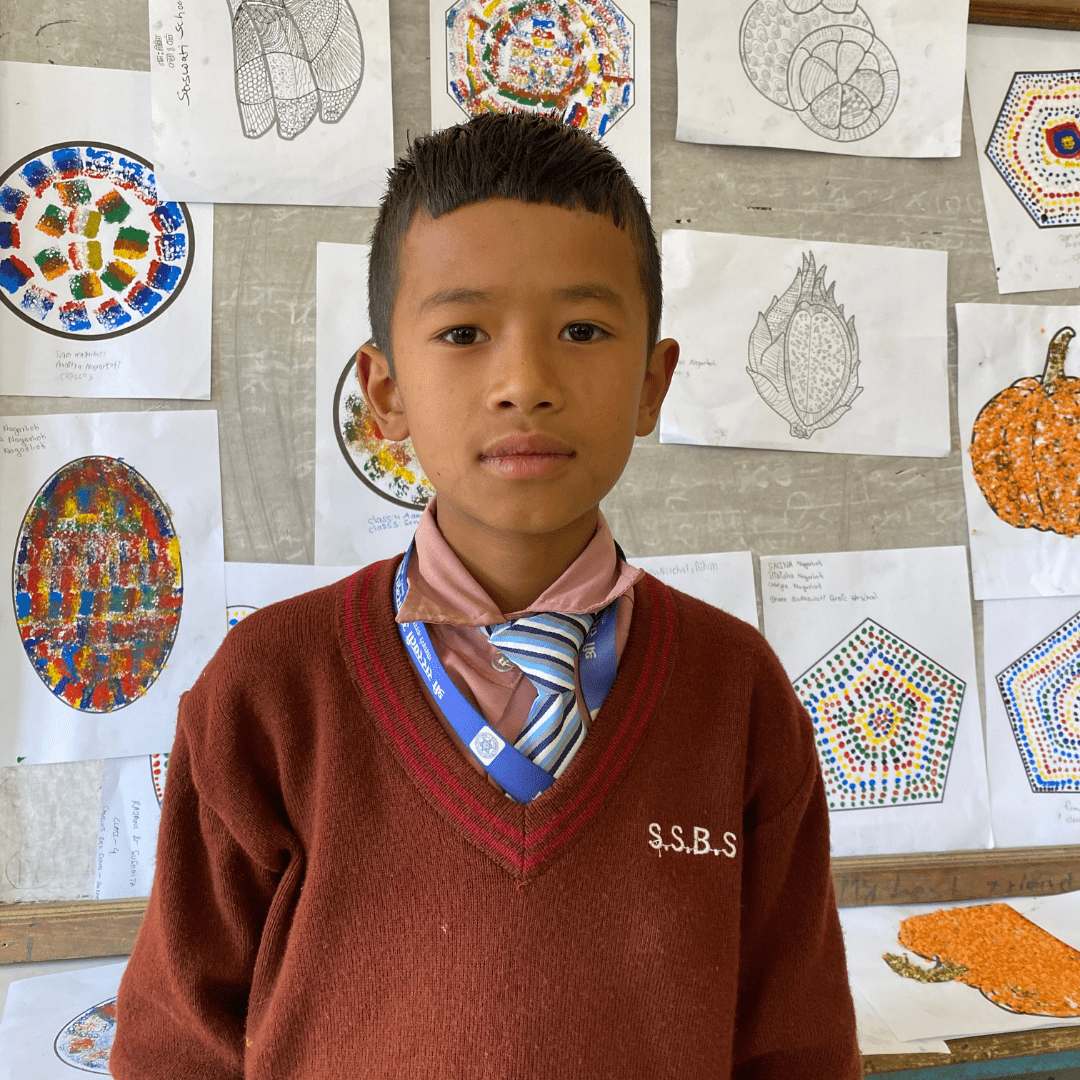
I have never imagined that art could be created through materials like leaves and beans. The class was vert engaging and productive. I personally loved coloring with watercolor and sponges.

These types of art classes have helped to develop our skills and it was very fun to work collaboratively with my peers. We will surely ask our principal to conduct these classes in the coming days.

Slide
Kunsang Syangtan

Class 5
Shree Saraswoti Basic School

I really enjoyed the art session. It made me focus on the small details. Above all forms of art that were taught to us like leaf art, bean art, and color art, I really enjoy doing line art.
Line art is also easy to execute and satisfying to draw. I wish this sort of class would happen once every month. It was refreshing and enjoyable.

Alish Nagarkoti

Class 7
Shree Saraswoti Basic School

Previously, meals were only provided to students in ECD to class 5, and those meals were brought from nearby restaurants. Senior students had to either bring lunch from home or eat at nearby hotels, which often led us to eat unhealthy snacks like chatpate, packaged juice and junk food. The food we brought from home would also get cold by lunchtime.

Now there is a proper kitchen in the school where meals are freshly cooked. Students from classes 6, 7, and 8 now also receive meals, just like the younger classes. We no longer feel hungry or uncomfortable in our stomach, and the food is much more satisfying.

Slide
Anta Narayan Dahal

Teacher & Meal Coordinator
Shree Saraswoti Basic School
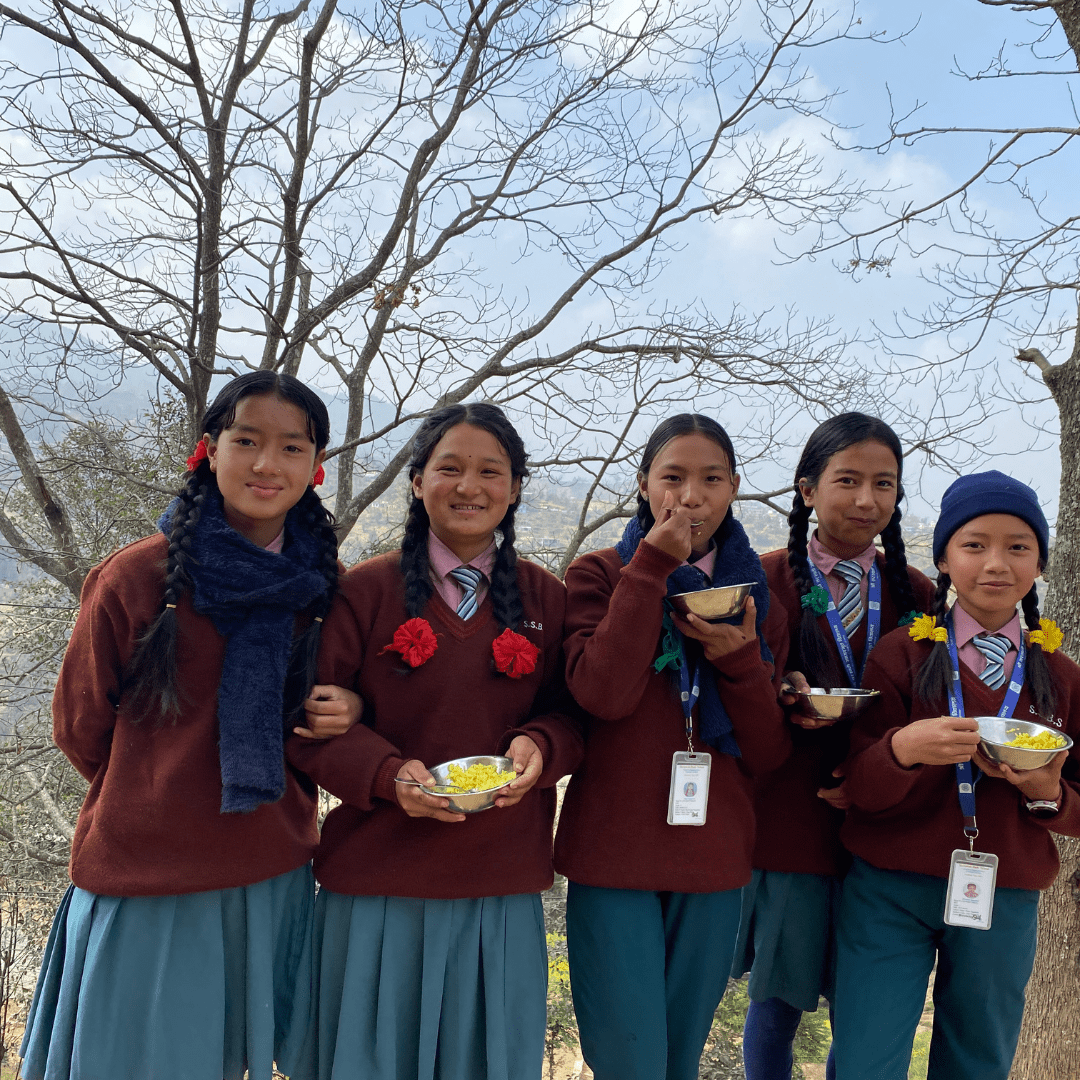
Previously, meals were only provided to students in ECD to class 5, and those meals were brought from nearby restaurants. Senior students had to either bring lunch from home or eat at nearby hotels, which often led us to eat unhealthy snacks like chatpate, packaged juice and junk food. The food we brought from home would also get cold by lunchtime.

Now there is a proper kitchen in the school where meals are freshly cooked. Students from classes 6, 7, and 8 now also receive meals, just like the younger classes. We no longer feel hungry or uncomfortable in our stomach, and the food is much more satisfying.

Mandira Nagarkoti

Class 8
Shree Saraswoti Basic School

The acticities we participated in during the SDGs class were both new and engaging. We especially enjoyed creating action plans, brainstroming ideas, and learning about localization. These activities gave us valuable insights into environmental issues and climate change.

Additionally, we gained a deeper understanding of the Global Goals and discovered ways we, as students, can contribute to achieveing them.So far, we’ve had four camps, and we are looking forward to afew more before the academic session concludes.

PlayPause
previous arrow
next arrow